Visual strategy · Systems thinking · Decision support
Visual strategy for moments where a team needs to choose — and commit.
Grounded in identity and positioning questions.
What we change
Where we come in
What remains
What you get
When decisions keep looping, this is the intervention.Most teams don't need more input at this stage. They need one direction that holds — visible trade-offs, clear ownership, and next steps that survive delivery pressure.
You leave with
- One clear decision frame
- Trade-offs everyone can see
- A direction with next steps
Typical decision areas
- Growth, focus and positioning
- Product direction and priorities
- Organisation, roles and interfaces
- Pivots, investments or restructuring
How this works
A short, focused intervention to make one decision stick — by mapping it visually.
Frame the decision
Make the system visible

Choose a direction
Formats
These are the formats we use most often. They are designed for the moment after exploration — when teams don't need more input, but a decision that sticks. When a situation calls for a different way of working, we adapt the format — without changing the principle: clear direction first. In many cases, the entry point is a question of identity or positioning — the work goes further by turning that into a decision framework that holds under pressure.
Direction Session
On-site · 3—4 hours
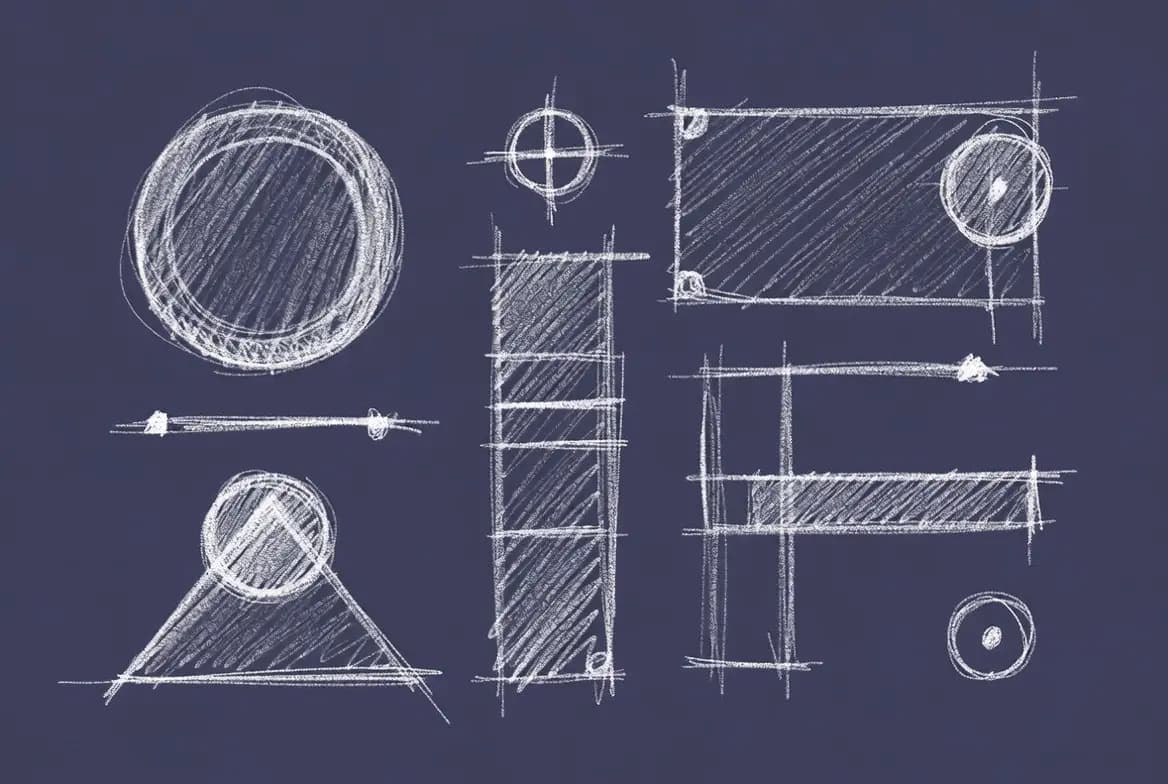
A focused working session around one high-stakes decision. Assumptions, constraints and trade-offs are mapped visually in the room — and a direction is locked that can be acted on.
Afterwards, you receive a concise visual decision record with recommendations and next steps — so the direction holds beyond the session.
Direction Retainers
Monthly
Ongoing strategic support when similar decisions return across stages — to keep direction, messaging and delivery aligned.

Execution can happen through internal teams, existing partners, or a small trusted setup. Retainers can include execution oversight to keep decisions and delivery aligned.
FAQ
Short answers to common questions.
Is this brand or identity work?
What is a Direction Session, in plain terms?
When is this more effective than a large consultancy?
Who should be in the room?
What do we receive afterwards?
Can this be done remotely?
What if execution support is needed afterwards?
Is the work confidential?
Selected work
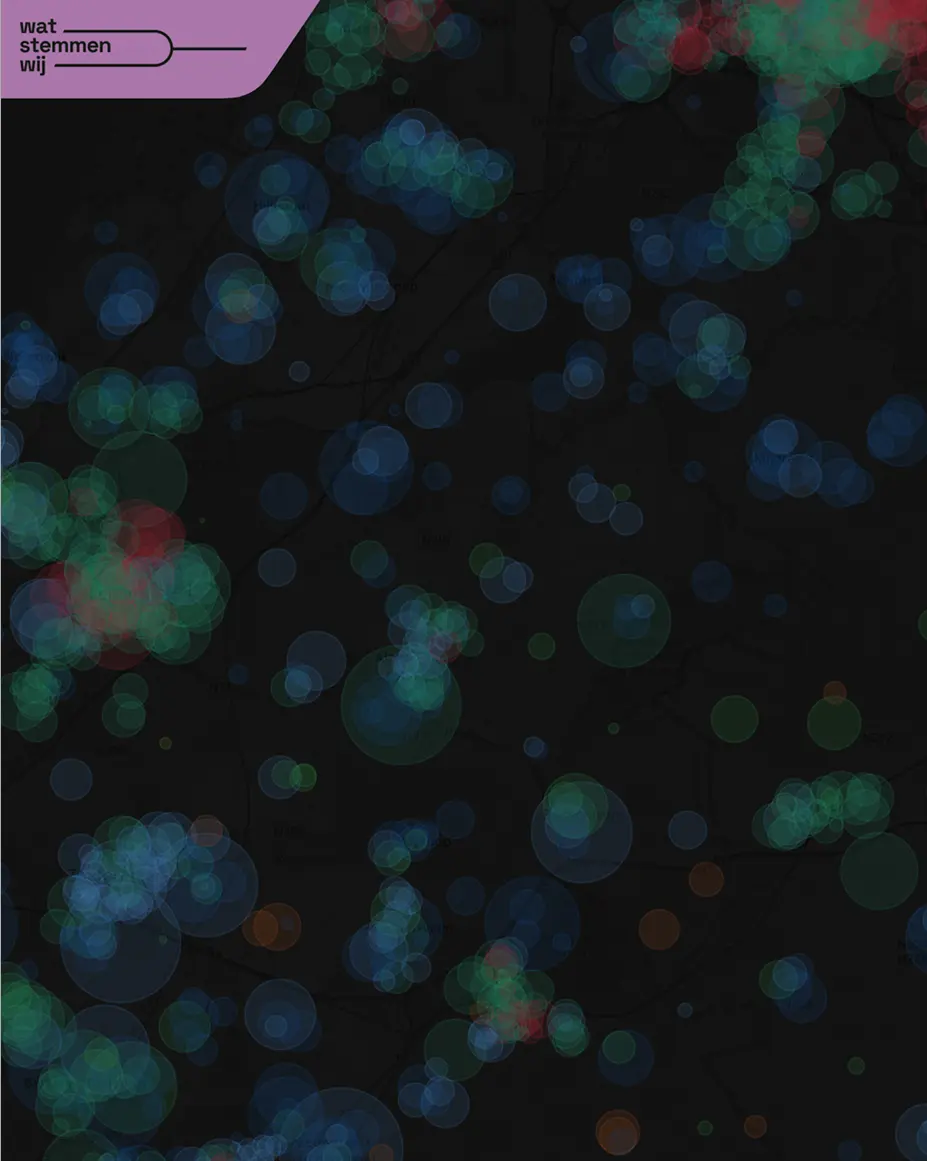
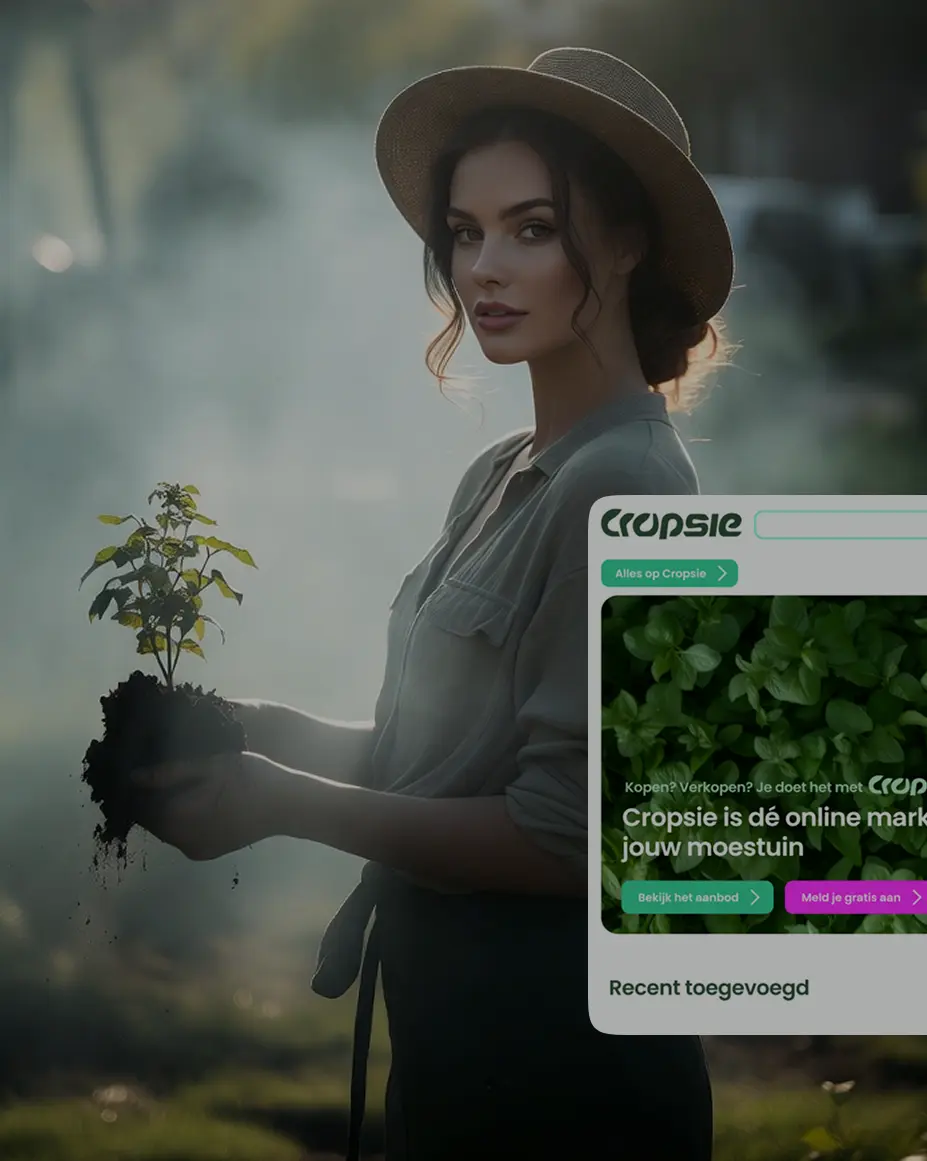
A small selection to indicate range and context. More examples are available on request — many are kept confidential.
WatStemmenWij
Cropsie
FC Cincinnati

When we're at our best
- A strategy exists, but does not guide daily decisions
- Teams are moving, but not in the same direction
- Important discussions keep looping without resolution
- Building has started, but something feels misaligned
If direction is already fully clear, this is likely not the right fit.
Contact
Share the context in 5—10 lines and what currently feels hard to decide. A next step will be suggested — a session, a call, or a clean hand-off.
Prefer email? mail@studioerwinsala.com
Possible useful information
- Context in 5—10 lines
- What is currently hard to decide
- Timeline and key stakeholders
- Links or materials (optional)